Keeping the power running smoothly during an upgrade of legacy systems sure is a challenge. Luckily, it’s one the team at Intelepower tackled without interruption to service for the customer.
The complex nature of ‘live-work’ spaces requires a meticulous understanding of fluctuating energy demands. Our initial Site Analysis Electrical Assets allowed us to pinpoint exactly where power efficiency could be improved, ensuring the resulting infrastructure was perfectly scaled for both residential comfort and commercial functionality.
High-density infill projects demand heavy-duty electrical backing that can withstand continuous operational demands. Our custom-configured dc power systems provide the 100% dependable foundation required to store and deliver stable backup power safely. By combining efficient building design with a robust DC backbone, this project represents a 10% to 15% increase in long-term operational resilience, proving that urban living spaces can be both self-sustaining and exceptionally reliable.
Managing the energy dynamics of a combined live and work environment requires highly responsive infrastructure that balances varying consumption patterns. Implementing an advanced dc power management system ensures that energy distribution between local storage and the building’s critical infrastructure is 100% optimised. This intelligent control network monitors system parameters in real time, preventing energy waste and extending the overall lifespan of the storage equipment.
QUICK OVERVIEW
Upgrading legacy systems while the system remains in live status requires an acute understanding of power systems, site infrastructure, system design and project management. Century Yuasa meets these requirements using industry best practice and compliance to all national standards.
A typical Infill project will require the replacement of existing legacy systems and where possible, Century Yuasa will use existing assets to reduce the project costs. Site audit inspections and investigation of relevant reports before the project commences is paramount to identifying issues and reducing overall risk.
Using the typical analysis tools, Century Yuasa is able to assess, plan and deliver quality cost effective solutions while enabling the client to continue business as usual.
One of the key priorities for this modern infill development was ensuring a low environmental footprint without sacrificing power density. By incorporating Recyclable Lead Acid Batteries into the energy storage architecture, the project achieved a high level of reliability while ensuring that nearly 99% of the battery components can be repurposed at the end of their service life.
With limited physical space available in modern infill developments, the engineering team had to focus on ultra-compact, scalable hardware components. Utilising modular battery chargers allowed us to maximise power density while building a highly redundant system architecture. This configuration offers an excellent opportunity for growth in site reliability, allowing individual modules to be serviced or upgraded without interrupting the property’s primary power network.
TYPICAL PROJECT ANALYSIS TOOLS
- Environmental Considerations
- Site Access
- Remote Area Community Awareness
- Network Hazards Analysis
- Contact Response Plan
- Work procedures and instructions
- Fall back strategy
- Battery Management Plan
- DC safe work procedures and cut-over
- AC safe work procedures and isolation requirements
- Low Voltage Electrical Work
- Asbestos Assessment
- Live Electrical Work Procedure
- Logistics
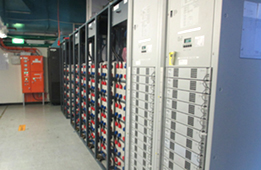
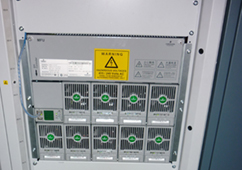
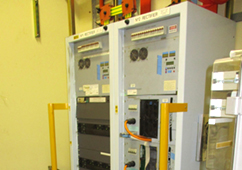
TYPICAL INSTALLATION
During the initial assessment, Century Yuasa will review all documentation relevant to the project including the structural report, scope of works, SLDs (AC, DC and Earthing), equipment layout
and the asbestos report before commencing any project works. Any queries about the design or any changes to the allocated equipment will be consulted and agreed apon between the parties prior to
commencement.
Century Yuasa will provide a standard procedure that seeks to capture all potential hazards and risks associated with carrying out project work. Key activities are identified, asssessed and appropriate
risk management controls are implemented, in consultation with any affected stakeholders.
The following activities is an example of a typical Infill live work project after all the compliance and diligence requirements have been met;
- Remove any legacy rectifiers and associated rectifier sub rack modules.
- Install power core shelves into existing legacy racks and controller shelves.
- Install High Efficiency rectifiers.
- Install and commission new battery racks and associated batteries.
- Install new 4 way panels configured as A + B plane distribution.
- Extend all relevant alarms to the Alarm System IDF.
- Install all the required earth cabling to conform AS3015 standards.
- Any new batteries and rectifiers will be installed in accordance with the vendor’s guidelines.
- Update any database to reflect changes to the power system and associated equipment.
All projects are reviewed on completion to identify process improvements and cost efficiency. Photos and images are captured and provided to the client for their records and any outstanding issues are responded to.
To ensure this development continues to operate at peak efficiency throughout 2026 and beyond, we have implemented a structured oversight programme. Ongoing DC battery system Maintenance & Support is critical for identifying potential cell degradation before it impacts site users, protecting the long-term viability of the electrical investment.